Understanding Sports Broadcasting Basics
What is Sports Broadcasting?
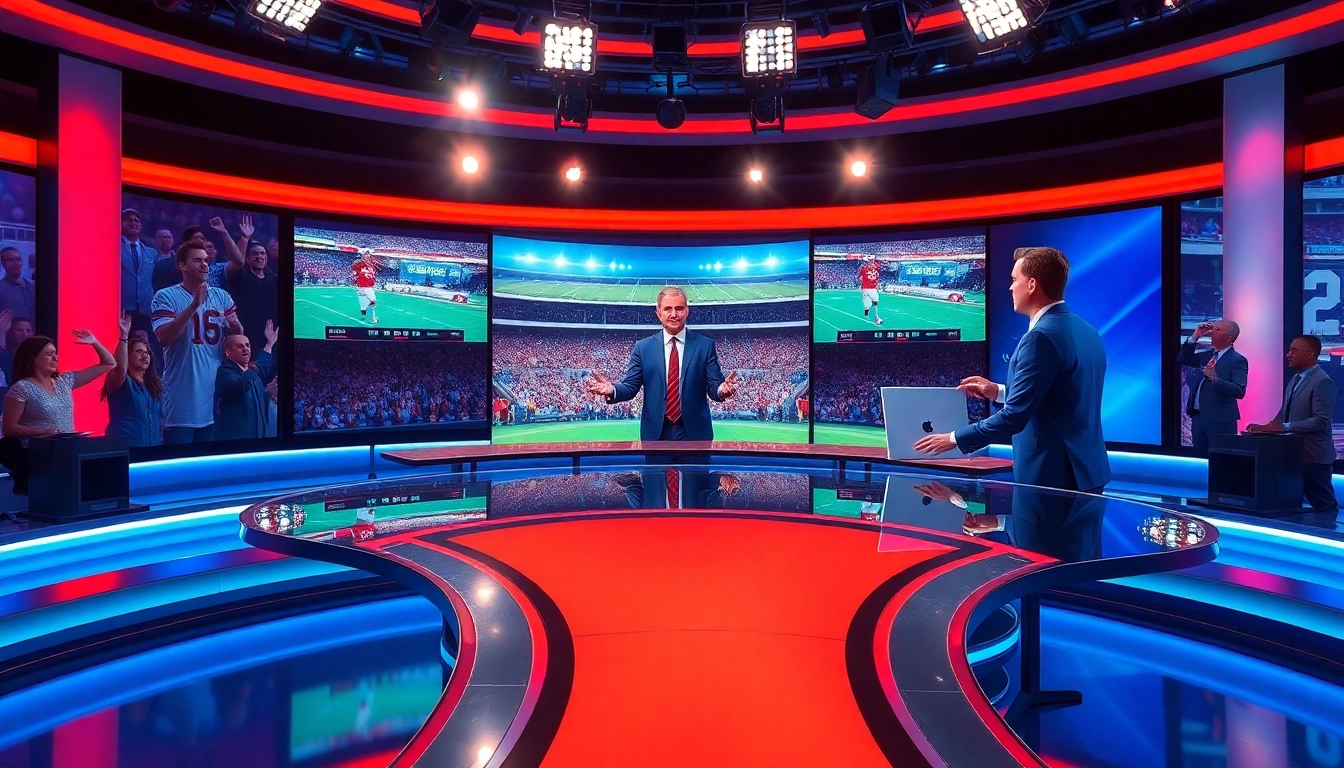
Sports broadcasting refers to the production and distribution of televised or streamed sporting events, encompassing everything from the pre-game show to the post-game analysis. It involves not only the coverage of the game itself but also analysis, commentary, and audience engagement methods. The primary goal is to connect fans with the games they love, bringing excitement to those who may not be able to attend live events. As a growing field, Sports Broadcasting offers numerous opportunities and challenges that professionals must navigate effectively.
Key Components of Sports Broadcasting
Sports broadcasting consists of several key components that ensure the delivery of engaging and informative content:
- Play-by-Play Commentary: This involves real-time commentary during the game, providing viewers with detailed, live insights as events unfold.
- Color Commentary: Often provided by former players or coaches, color commentary offers expert analysis, enhancing the viewers’ understanding of game strategies and dynamics.
- Technical Production: This encompasses camera work, sound, and visual effects, which play a crucial role in delivering a high-quality viewing experience.
- Audience Interaction: Engagement through social media, live polls, and virtual platforms has become integral to sports broadcasting, enhancing viewer participation.
- Pre and Post-Game Coverage: These segments often include player interviews, expert roundtable discussions, and game predictions, further enriching the overall experience for viewers.
The Evolution of Sports Broadcasting
The journey of sports broadcasting has seen monumental shifts since its inception. Initially, sports coverage was limited to newspapers and radio broadcasts. The landmark moment came with the introduction of television, changing how fans consumed sports. Over the decades, advancements in technology have led to innovations such as instant replay, high-definition broadcasts, and online streaming, making sports more accessible than ever. Notably, sports broadcasting has adapted to changes in viewer habits, with a notable shift towards mobile viewing and on-demand content. This evolution reflects the changing landscape of media consumption and the necessity for broadcasters to be versatile and forward-thinking.
The Role of Technology in Sports Broadcasting
Innovative Broadcast Technologies
The rapid advancement in technology has significantly transformed the sports broadcasting landscape. Innovations such as augmented reality (AR) and virtual reality (VR) are beginning to play a role in enriching the viewing experience. For instance, AR can overlay player statistics directly onto the screen during live games, allowing viewers to gain insights without disrupting their attention from the game. Additionally, AI-driven analytics help broadcasters provide deeper insights, predicting game outcomes and player performance metrics that engage data-minded fans.
Impact of Social Media on Sports Broadcasting
Social media platforms have revolutionized audience engagement in sports broadcasting. Fans now have the ability to interact directly with broadcasters, enhance discussions, and share real-time reactions. Platforms like Twitter and Instagram have become essential tools for promoting events, while also serving as platforms for fans to express their opinions and connect with others. This social engagement allows for spontaneous moments like live Q&A sessions with athletes, creating a more immersive and interactive experience that traditional broadcasting cannot replicate.
Emerging Trends in Broadcasting Equipment
As technology advances, so does the equipment used in sports broadcasting. High-definition cameras and drones now provide stunning aerial shots that offer unique perspectives of live events. Moreover, advancements in audio technology, such as surround sound and wireless mics, enhance the auditory experience for viewers. Intelligent switchers and live editing tools facilitate seamless transitions and on-the-fly editing, allowing broadcasters to adapt quickly to the fast-paced nature of sporting events and deliver content that captivates audiences.
Content Creation Strategies for Sports Broadcasting
Crafting Engaging Sports Narratives
Effective storytelling is at the heart of captivating sports broadcasting. Beyond mere play-by-play commentary, broadcasters build narratives that connect with fans emotionally. This includes highlighting player backstories, creating rivalries through context, and emphasizing the stakes of the match. Broadcasters must collaborate closely with journalists and content creators to weave these narratives throughout their coverage, presenting a cohesive story that resonates with viewers before, during, and after the game.
Utilizing Data and Analytics
The incorporation of data analytics into sports broadcasting has rapidly become a best practice. By analyzing statistics, broadcasters can provide viewers insights that deepen their understanding of the game. Advanced metrics can help explain decisions being made on the field, as well as offer predictions about player performance. Visual representations of data, such as heat maps and statistical graphics, further enrich the viewing experience, making analysis both educational and entertaining.
Best Practices for Live Reporting
Live reporting in sports broadcasting requires precision, clarity, and the ability to think quickly. Reporters should maintain concise communication, focusing on key elements—players’ movements, game changes, and critical injuries. Establishing a clear process for preparation is crucial; journalists should research players, understand team dynamics, and familiarize themselves with the event to report inevitably with authority. Additionally, using social media to share updates in real-time allows broadcasters to engage audiences who crave immediate information.
Audience Engagement Techniques in Sports Broadcasting
Building a Community Around Sports Events
One of the essential responsibilities of sports broadcasters is fostering a sense of community among viewers. This can be achieved through participation in fan forums, social media discussions, and creating viewer polls. Events such as fantasy leagues and interactive Q&A sessions with reporters or athletes can help build relationships between fans and the broadcast team. By emphasizing community, broadcasters can ensure that fans feel invested in their platforms and the events they cover.
Interactive Features in Sports Broadcasting
Interactive features in sports broadcasting have emerged as a significant trend aimed at enhancing viewer engagement. Features like live polls, play voting options, and trivia games during broadcasts keep viewers engaged and actively participating. Integrating these interactive options allows fans to influence aspects of the broadcast in real-time, creating a dynamic viewing experience that traditional formats cannot achieve.
Analyzing Audience Feedback
Understanding audience preferences is crucial for success in sports broadcasting. Using analytics to gauge viewer sentiments and preferences can lead to improved content delivery tailored to audience interests. Establishing feedback loops—through surveys, social media engagement, and direct viewer interactions—enables broadcasters to adapt their strategies, respond to viewer needs, and continuously enhance the broadcasting experience based on audience insights.
Metrics and Performance in Sports Broadcasting
Evaluating Broadcast Success
Measuring the success of sports broadcasting requires a blend of quantitative and qualitative metrics. Viewer ratings, social media engagement, and website traffic provide measurable data on performance. However, qualitative feedback—such as viewer satisfaction surveys—can offer deeper insights into the emotional connection of the audience with the content. Balancing these metrics helps broadcasters make informed decisions to enhance their future broadcasts and report strategies.
Key Performance Indicators for Sports Broadcasting
Identifying and monitoring key performance indicators (KPIs) is crucial for ongoing improvement in sports broadcasting. Important KPIs can include:
- Audience Reach: Metrics indicating how many viewers are tuning in.
- Engagement Rate: Frequency of viewers interacting with broadcasts via comments, shares, or direct acknowledgments.
- Viewer Retention: The percentage of viewers who remain to the end of the broadcast.
- Revenue Generation: Analyzing ad revenue, sponsorship deals, and merchandise sales related to broadcasts.
Future Challenges and Opportunities
The landscape of sports broadcasting will continue to evolve, presenting both challenges and opportunities as technology advances and viewer tastes shift. Broadcasters must be wary of factors such as changing regulations, industry competition, and viewer retention dynamics. Embracing new technologies and trends, such as immersive experiences through VR or pioneering content formats for streaming platforms, will be essential for continuing to captivate and expand their audience, all while maintaining the core excitement of sports.
Frequently Asked Questions
What is the primary purpose of sports broadcasting?
The primary purpose is to connect fans with live sports events, offering commentary, analysis, and a shared viewing experience.
How has technology impacted sports broadcasting?
Technology has improved broadcast quality, enabled interactive features, and expanded distribution methods, enhancing viewer experiences.
What role does audience engagement play in sports broadcasting?
Audience engagement builds community, encourages real-time interactions, and enhances loyalty to broadcasters through shared experiences.
What metrics are important for measuring broadcast success?
Important metrics include viewer ratings, audience engagement, viewer retention, and revenue generation related to the broadcasts.
How can broadcasters adapt to changing audience preferences?
Broadcasters can adapt by analyzing audience feedback, integrating interactive features, and embracing new technologies and content formats.