Understanding Ceramic Window Tint
What is Ceramic Window Tint?
Ceramic window tint is an advanced type of window film that integrates advanced ceramic nanoparticles. Unlike traditional tints, which may use dyes or metals, ceramic window tint employs non-conductive, non-metallic materials. This unique composition allows for superior heat rejection and UV protection without compromising visibility. It is often favored by car enthusiasts and vehicle owners looking for effective solar control and aesthetic enhancement, making ceramic window tint a popular choice.
Benefits of Ceramic Window Tint
Ceramic window tint offers a plethora of benefits, enhancing both comfort and protection for vehicle occupants. Key advantages include:
- Enhanced UV Protection: Blocks up to 99% of harmful UV rays, safeguarding your skin and preventing interior fading.
- Heat Rejection: Significantly reduces heat buildup inside the vehicle, contributing to a more comfortable driving experience.
- Visual Clarity: Provides excellent visibility and clarity without compromising the aesthetic appeal of your vehicle.
- Durability: More resistant to scratches and wear compared to standard films, it maintains its appearance over time.
- Non-Conductive Properties: Unlike metallic tints, ceramic options do not interfere with electronic signals, ensuring consistent performance of devices like GPS and mobile phones.
How Ceramic Window Tint Differs from Other Types
Ceramic window tint stands out in the market among other window tints like dyed, metallized, and hybrid films. Here’s how:
- Dyed Window Film: Primarily serves aesthetic purposes and offers minimal UV protection and heat rejection.
- Metallized Film: Provides better heat rejection than dyed film but can interfere with electronic signals due to its metallic particles.
- Hybrid Film: Combines dyed and metallized materials but can have a compromise in performance attributes as compared to pure ceramic films.
Choosing the Right Ceramic Window Tint
Factors to Consider When Selecting Tint
Selecting the right ceramic window tint involves several critical considerations:
- Legal Regulations: Research local laws regarding window tinting to ensure compliance with state regulations on light transmission and tint percentages.
- Climate Considerations: If you live in a hot climate, opt for a tint that offers high heat rejection capabilities to maintain interior comfort.
- Privacy Needs: Assess your desire for privacy and select a shade that aligns with your requirements.
- Brand Reputation: Choose a well-reviewed and reputable brand known for quality and customer service.
Top Features to Look For
When hunting for the right ceramic window tint, prioritize key features such as:
- Heat Rejection Rate: Look for products offering at least 50% heat reduction.
- UV Protection: Ensure the tint blocks 99% or more of UV rays.
- Warranty: A solid warranty indicates the manufacturer’s confidence in their product's durability.
- Clarity: Opt for films that provide visual clarity, especially for the driver’s view.
- Thickness and Strength: Thicker films tend to be more resilient, so evaluate the film’s specifications.
How to Match Tint with Your Vehicle’s Aesthetics
Aesthetic integration is as vital as performance when choosing ceramic window tint. Consider these guidelines:
- Shade Compatibility: Choose a tint shade that harmonizes with your vehicle’s color and style.
- Vehicle Type: Sports cars might benefit from darker hues, enhancing their sleek appearance, while family vehicles might favor lighter, more practical options.
- Personal Preference: Reflect on your taste and the image you want to project; whether it's sporty, luxurious, or understated, your tint choice should complement that vision.
Installation Process for Ceramic Window Tint
DIY vs. Professional Installation
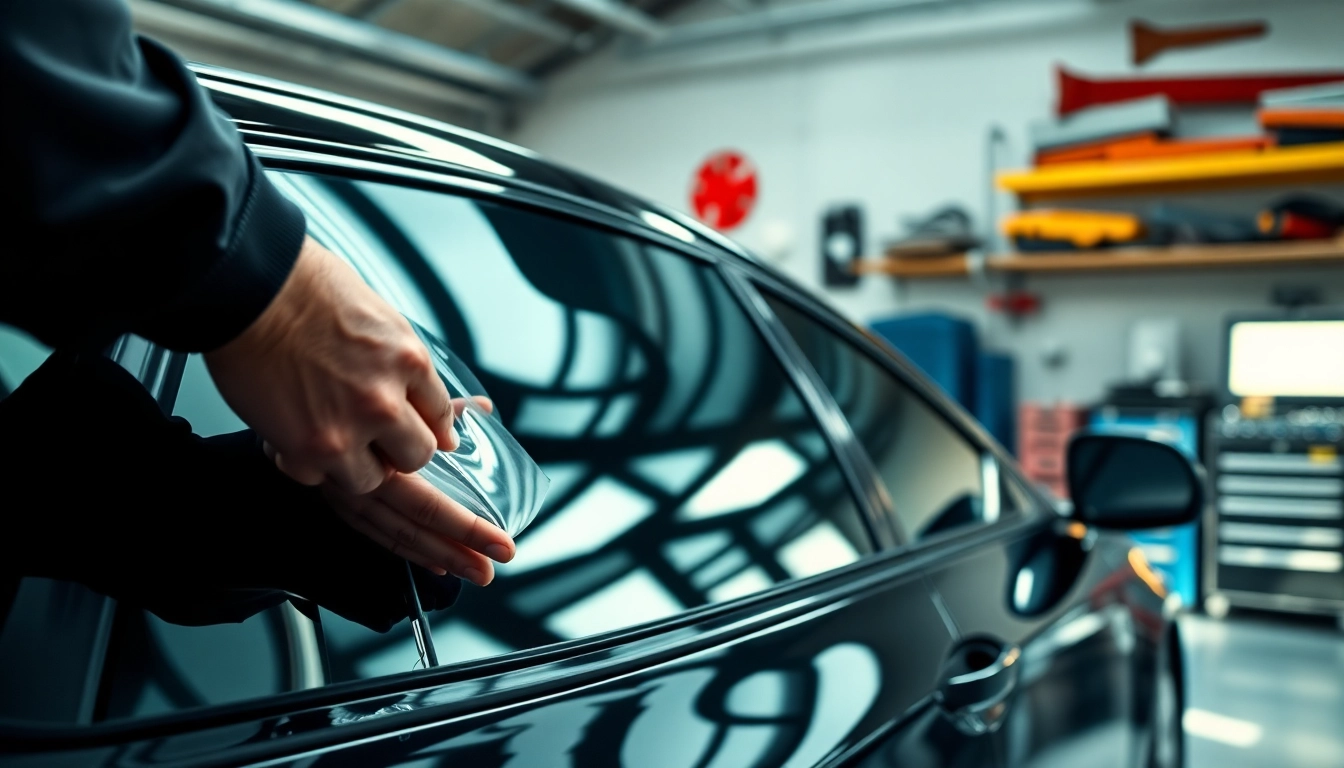
Deciding between DIY installation and hiring a professional involves evaluating your skills against the risk of making costly mistakes. Professional installers bring expertise and tools, ensuring a cleaner finish and adherence to regulations. While DIY may be budget-friendly, improper installation can lead to bubbles, creases, and peeling. Weigh the cost against the potential pitfalls before choosing your path.
Preparation Steps for Application
If you opt for DIY installation, follow these preparation steps to ensure a successful application:
- Gather Supplies: You will need cleaning materials, squeegees, a heat gun, cutting tools, and, of course, the ceramic window tint.
- Clean the Windows: Remove all dirt, dust, and old adhesive from the window surface for optimal adhesion.
- Measure and Cut: Cut the tint to fit each window accurately; leave a margin for errors and adjustments.
- Moisten the Glass: Using a solution of soap and water, moisten the glass to facilitate easier application of the tint.
Post-Installation Care and Maintenance
After installation, maintaining your ceramic window tint is crucial for longevity:
- Wait for Curing: Allow the tint to cure fully, usually between three to five days, before rolling down windows or cleaning.
- Gentle Cleaning: Use a soft cloth and mild soap to clean the tinted windows; avoid abrasive materials that can scratch.
- Avoid Direct Sunlight: Prolonged sunlight can warp or damage the tint during the curing phase.
Performance Metrics of Ceramic Window Tint
Evaluating UV Protection and Heat Reduction
Performance metrics are essential in assessing ceramic window tint quality. Look for films with:
- UV Block Percentage: High-quality ceramic tints often block up to 99% of UV radiation.
- Heat Rejection Ratio: Typically expressed in percentages, higher numbers indicate better performance; look for films that offer 50% or more heat rejection.
Durability and Longevity of Tint
The durability of ceramic window tint contributes to its value over time. Quality ceramic films can last anywhere from 10 to 20 years with proper care. Examine the film’s thickness, adhesive quality, and the manufacturer's warranty to gauge longevity. Higher-end products typically boast better resistance to scratches, fading, and peeling.
Warranty Considerations
Warranties are a vital indicator of product quality; opt for ceramic window films that offer a lifetime warranty or a minimum of five to ten years. This not only protects your investment but also assures you that the manufacturer stands behind the product's performance.
FAQs about Ceramic Window Tint
How Long Does Ceramic Window Tint Last?
Ceramic window tint can last between 10 to 20 years, depending on the quality of the film and care applied. Regular maintenance enhances its longevity.
Can I Install Ceramic Window Tint Myself?
While DIY installation is possible, professional installation is recommended for the best results. Poor application can lead to bubbles and peeling.
Is Ceramic Window Tint Legal in My Area?
Window tint laws vary by state; check local regulations to ensure compliance with permissible tint levels. This will help avoid legal issues.
Does Ceramic Window Tint Block UV Rays?
Yes, ceramic window tint can block up to 99% of harmful UV rays, providing significant protection against skin damage and fading of your vehicle's interior.
How Does Ceramic Window Tint Affect Visibility?
Ceramic window tint is designed to enhance visibility while providing shade and UV protection, ensuring clear sightlines for drivers and passengers.